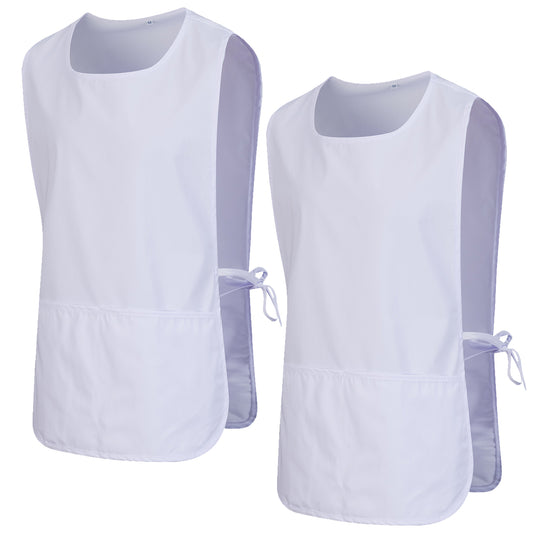
Collection: Work aprons for hospitality and healthcare | MISEMIYA

Enjoy the perfect professional uniform apron from MISEMIYA, designed specifically for the hospitality, healthcare, beauty, and cleaning industries. Our work aprons combine industrial strength...

Work aprons for hospitality and healthcare | MISEMIYA

Enjoy the perfect professional uniform apron from MISEMIYA, designed specifically for the hospitality, healthcare, beauty, and cleaning industries. Our work aprons combine industrial strength with everyday comfort, made from a premium blend of 65% polyester and 35% cotton that ensures exceptional durability.

Main benefits for professionals:
• Resistance to industrial washing up to 90°C with a maximum shrinkage of 2.5%
• Unisex design adaptable for both women's and men's work aprons
• Functional pockets and a comfortable fit for long workdays
• Lightweight fabric that keeps you cool in kitchens, clinics and beauty centers

What sets us apart as a brand:
• Manufactured in-house in Barcelona with full quality control
• Over 2 million satisfied customers since 2012
• Pioneering sustainable commitment in the professional textile industry
• Immediate availability in stock for fast delivery

Whether it's for workwear aprons in restaurants, sanitary aprons in hospitals, or a custom apron for your business, find the perfect solution in our professional collection.

Discover your ideal professional apron today and enhance your corporate image with MISEMIYA.

A well-chosen uniform apron makes the difference between a solid professional image and one that conveys carelessness. At MISEMIYA, we have spent over a decade designing work aprons for hospitality, healthcare, beauty, and cleaning, using technical materials that withstand daily use without losing their shape or color. Find the uniform apron your team needs here.

Work aprons for every professional sector

There is no universal professional apron. Every work environment imposes different conditions: temperature, type of dirt, washing frequency, and visual demands. That is why our collection of work aprons includes specific models designed for the profiles that need them most, with technical features adapted to each reality.

Hospitality and catering

In restaurants, hotels, and cafes, the uniform apron serves two inseparable functions: protecting clothing and reinforcing the team's corporate image. A waiter with a worn apron conveys carelessness to the customer before they even open their mouth; a chef with a stained apron at ten in the morning creates distrust in the dining room. That is why hospitality apron models must combine real resistance to oil, wine, and sauces with a clean and uniform appearance throughout the day.

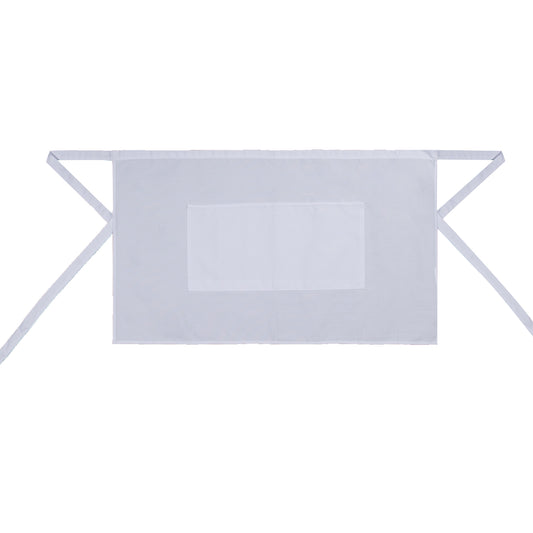
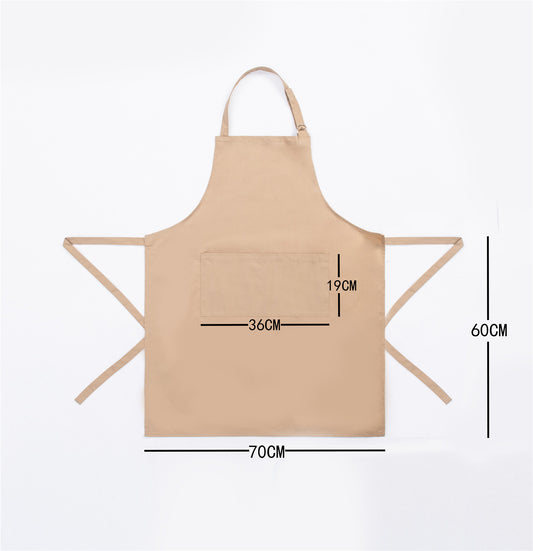
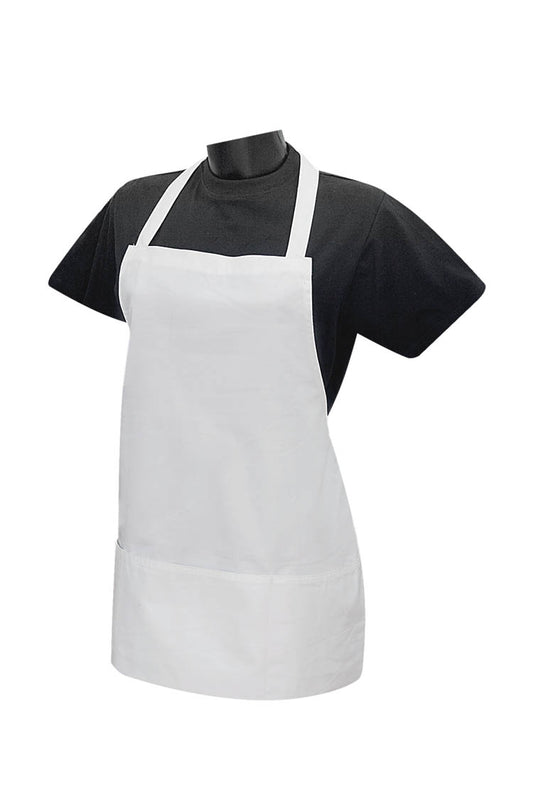
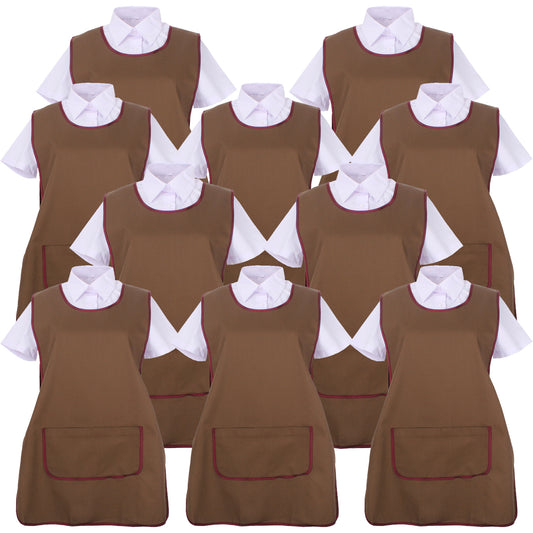
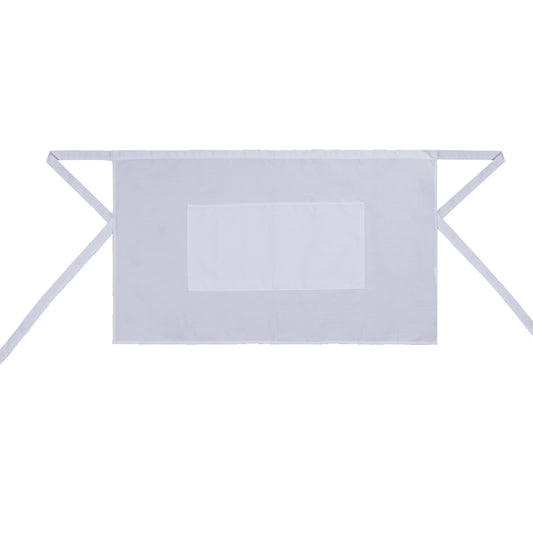
Bib aprons are the most widely used format in kitchens, as they protect from the chest to below the knee. For the dining room and bar, short models measuring 60 to 65 cm offer greater mobility without sacrificing image. If you are looking to complete your staff's equipment, our collection of hospitality uniforms includes coordinated jackets, shirts, and caps.

Beauty, hairdressing, and beauty centers

Beauty professionals work with chemicals, dyes, oils, and treatments that stain easily and can deteriorate garments if the fabric is not prepared. In this sector, the beauty apron also acts as a visual part of the hygiene protocol: it conveys to the customer that the environment is clean, orderly, and professional.

Models with quick-drying fabric and neutral colors are the most in demand, as they allow you to maintain an impeccable image between one customer and the next without constant changes of clothing. The Professional Beauty Apron Ref.868 is the most chosen model in beauty centers, beauty clinics, and hairdressing salons due to its lightweight design, comfortable fit, and ease of cleaning.

Healthcare, cleaning, and veterinary

In hospitals, clinics, nursing homes, and veterinary centers, hygiene requirements allow no exceptions. The work apron in these environments must withstand frequent industrial washes at high temperatures without shrinking, deforming, or losing its color. Cross-contamination is a real concern, and the garment must be able to be disinfected without deteriorating.

For these professionals, the uniform apron becomes one more element of the hygiene protocol, complementing the medical tunic and work trousers. Our models with a composition of 65% polyester and 35% cotton are validated for industrial washing up to 90°C with a maximum shrinkage of 2.5%.

What makes a quality professional apron different

The difference between a professional apron and a generic one is not always visible to the naked eye, but it shows on the third wash, during eight-hour shifts, and in the way it withstands daily use for months. At MISEMIYA, we only select uniform apron models that exceed the resistance standards required by the real work environment.

Fabric composition and resistance

Fabric is the determining factor in the durability of any work apron. Our base composition of 65% polyester and 35% cotton responds to a proven technical formula that balances the advantages of both fibers:

•  Polyester: greater resistance to stains, faster drying, and less deformation after washing

•  Cotton: breathability, softness against the skin, and a feeling of freshness during long shifts

•  Density of 190 g/m²: the balance between lightness and structural durability

•  Resistance to industrial washing up to 90°C with a maximum shrinkage of 2.5%

This composition is no coincidence. It is the result of years of manufacturing professional workwear and understanding what is really required in the environments where a professional uniform apron is used daily.

Design intended for the full shift

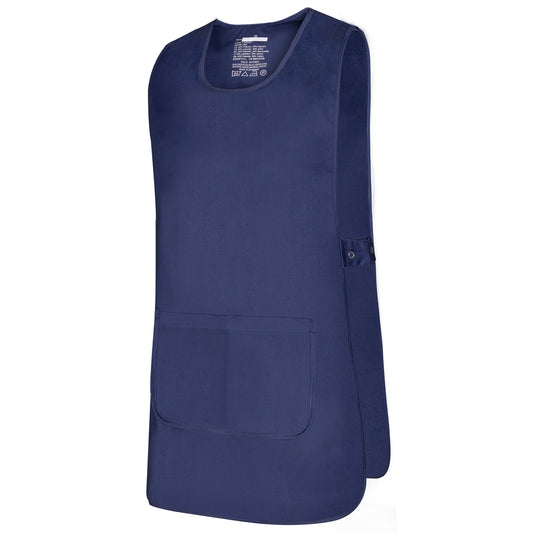
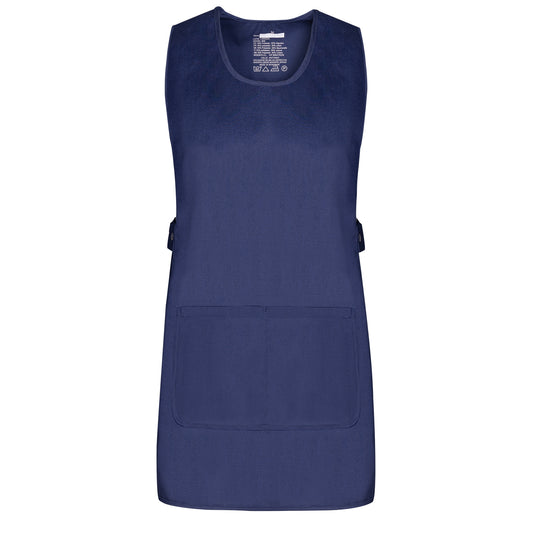
A uniform apron that becomes uncomfortable after two hours or does not have pockets in the right place is not a professional apron, no matter how high the quality of the fabric. In our models, you will find front pockets at a functional height, side adjustment with clips to adapt to any build without the need for specific sizes, and a unisex design that simplifies stock management in mixed teams. The result is a garment that the professional puts on at seven in the morning and that at three in the afternoon still does not cause discomfort.

Practical applications in work environments

Understanding how the uniform apron is used in the reality of each environment helps you choose the right model from the first order.

In a high-turnover kitchen with ten- to twelve-hour shifts, the priority is resistance to oil and heat splashes. The work apron must cover from the chest to the knee, have an accessible pocket for utensils, and withstand a daily wash cycle without losing firmness. For this profile, packs of five or ten units are the most efficient solution because they allow you to rotate garments and reduce deterioration from excessive washing.

In a beauty center with appointments every 45 minutes, changing garments is not always possible. That is why the fabric of the beauty apron must withstand contact with dyes and cosmetic products without absorbing them, and the color must remain uniform after frequent medium-temperature washes. The most practical format is the medium-length bib, which protects the torso without limiting arm movement during treatments.

In a dental or veterinary clinic, hygiene is the dominant criterion. The work apron is washed at a high temperature after each shift and, in some cases, disinfected with specific products. Here, resistance to fading from bleach or disinfection products is just as important as the mechanical resistance of the fabric.

In a nursing home or care center, staff need complete freedom of movement for hours. The adjustable design, the lightness of the fabric, and the ease of putting on and taking off the apron without help are key criteria that are often ignored in bulk uniform orders.

How to choose the right uniform apron

Before choosing a model, it is advisable to answer three specific questions: how often will it be washed, how many hours will it be worn, and how many units are needed. These three variables define the model, the format, and the correct investment.

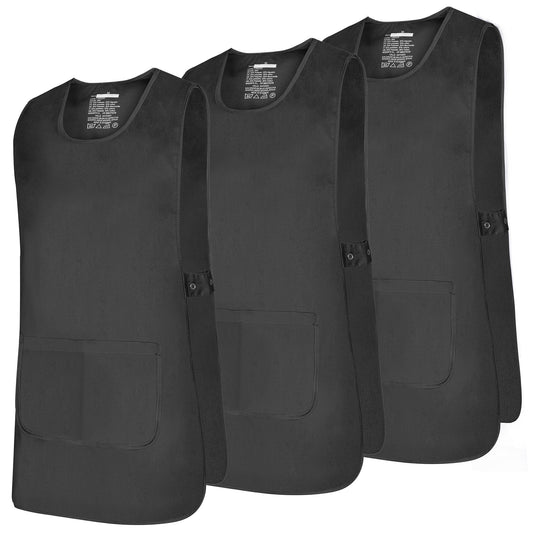
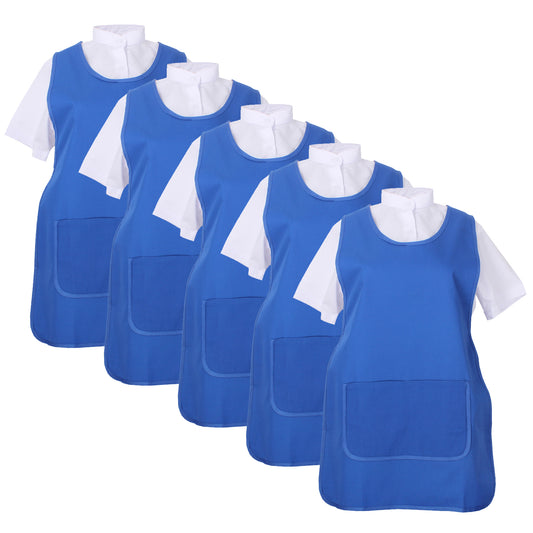
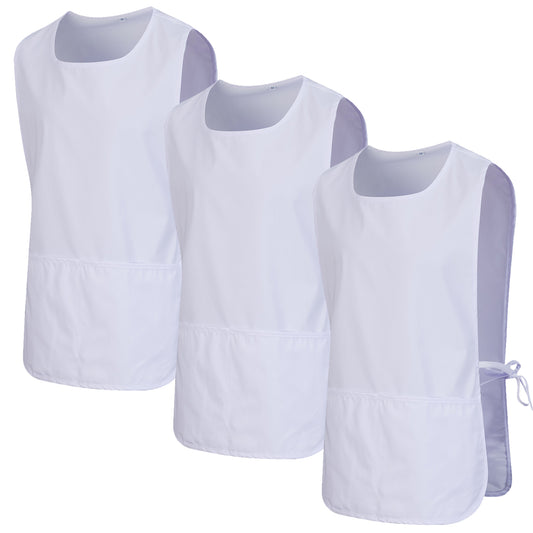
If washing is daily or every two days, prioritize fabrics with an anti-shrink treatment and a heat-resistant technical composition. If shifts exceed eight hours, the ergonomic fit at the waist and neck makes the difference in accumulated fatigue at the end of the week. And if you need to outfit a team of four people or more, packs of 2, 3, 5, or 10 units reduce the cost per garment by 15% to 25% compared to individual purchases.

For individual use with weekly washing, the single-unit model starting at €7.99 is sufficient. For teams with daily washing or uniform rotation, packs represent the best balance between cost and the useful life of the work uniform apron.

Care, washing, and maintenance of the apron

The proper maintenance of the uniform apron largely determines its useful life. A good fabric that is poorly washed loses its shape and color in weeks; a regular fabric that is well cared for can last for months without visible deterioration. These are the specific guidelines for the models in our collection.

Temperature and wash program

The composition of 65% polyester and 35% cotton allows for machine washing up to 90°C on an industrial cycle, which makes these work aprons suitable for healthcare and hospitality environments with strict hygiene regulations. For use in beauty centers without industrial laundry, a 60°C cycle with a gentle spin cycle is sufficient to remove most stains and bacteria without accelerating fabric wear.

Avoid mixing the apron with garments of very different colors in the first washes. Although the manufacturing process includes a color-fixing treatment, the initial washes can cause a slight transfer of pigment that affects the finish of other garments.

Drying and ironing

Air drying at room temperature is the method that is most respectful of the fabric and best preserves the shape of the work apron in the long term. If you use a dryer, select a low or medium temperature program, as excessive heat can affect the side adjustment clips and reinforced pockets.

Ironing is not strictly necessary if the spin cycle is gentle and the apron is hung up immediately after washing. If you need to iron it, do so at a medium temperature on the reverse side of the fabric to preserve the exterior finish and avoid shine in frequently used areas.

When to replace the uniform apron

The useful life of a well-cared-for professional apron is between 12 and 18 months with intensive daily use. The signs that it is time to replace it are clear: visible fading in areas of friction, loss of shape at the waist or bib, wear on the fasteners or pockets, or permanent stains that do not disappear after washing at a high temperature. Planning the replacement in advance prevents the team from working with worn garments that damage the business's image.

Why choose MISEMIYA for your work aprons

Since 2012, more than two million customers have trusted MISEMIYA to outfit their teams with professional workwear. We manufacture with our own quality control, which allows us to offer garments that exceed the technical standards of the sector at competitive prices and with immediate stock availability.

Our commitment is that every uniform apron that leaves our collection is a garment that truly works in the environment for which it was designed, that lasts as long as it should, and that does not create problems in the daily life of the professional who wears it. If you have doubts about which model best suits your sector or need a custom apron to outfit an entire team, our customer service is available to advise you without obligation.

Frequently asked questions about uniform aprons

What is the difference between a bib apron and a short apron?

The bib apron protects from the chest to the knee and is ideal for kitchens and cleaning. The short apron covers only from the waist and offers greater freedom of movement for the dining room, bar, or beauty sector.

Do MISEMIYA aprons withstand frequent industrial washes?

Yes. The composition of 65% polyester and 35% cotton withstands industrial cycles up to 90°C with a maximum shrinkage of 2.5%, making them suitable for healthcare and hospitality environments with high hygiene demands.

Can I customize the aprons with my company logo?

Our models are compatible with external embroidery and screen printing services. Consult us before placing the order to confirm which areas of the apron best accept customization according to the model chosen.

Are they suitable for men and women?

All models have a unisex design with side clip adjustment, which allows them to adapt to any build without the need to order different sizes by gender.

Which pack is best if I need to outfit a team?

For teams of 2 to 3 people, the double or triple packs offer the best balance between price and quantity. For larger teams or those with daily uniform rotation, the pack of 10 units significantly reduces the cost per garment.

How often should I replace the work aprons?

With intensive daily use and proper maintenance, the useful life is between 12 and 18 months. Plan the replacement when visible fading, fabric deformation, or deterioration of the fasteners appear.